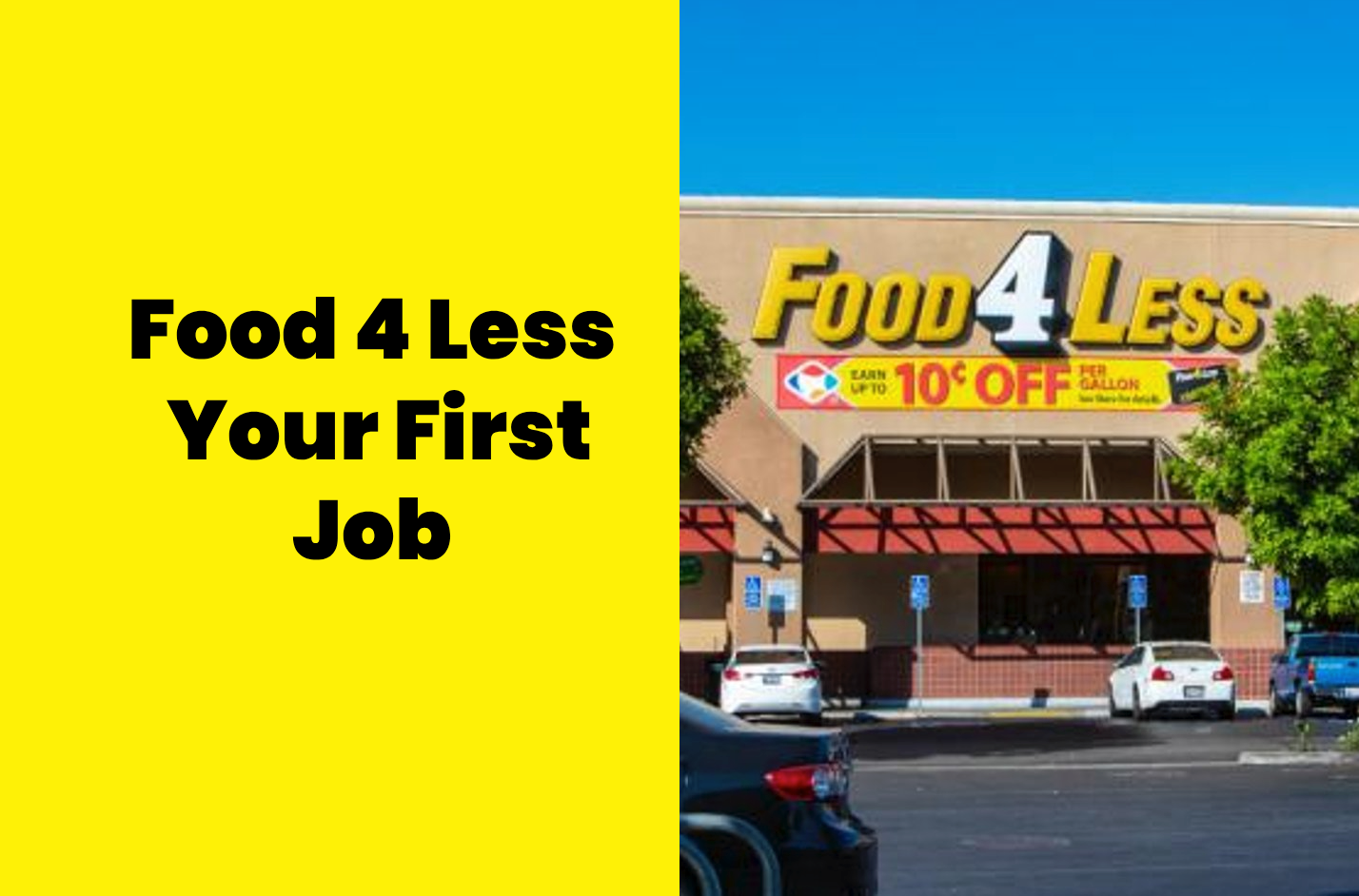
Food 4 Less First Job: The Perfect Start for Beginners
Starting a career can be a daunting process today, and consequently, many young people feel a heavy sense of uncertainty. Because the modern job market often demands prior experience, you might feel the need to panic. However, taking a Food 4 Less first job helps beginners enter the professional world without much effort. By balancing your willingness to learn with our structured environment, you can master essential workplace habits. This concept goes beyond just earning a paycheck; furthermore, it maximizes your personal growth during your early career years. Since you want the absolute best foundation for your future, joining a supportive team is the secret to success. Our warehouse-style environment makes this transition very easy, and as a result, you can transform your professional life starting today.
The Science of Practical Training for a Food 4 Less First Job
We must discuss “hands-on learning” first, as this is key for success in a beginner role. But what exactly does this involve? Essentially, it measures your ability to follow simple systems while building confidence. Starting a career requires a completely new mindset, and specifically, you must avoid the fear of making mistakes. Successful new hires focus heavily on our proven training methods instead. For example, mastering shelf organization or point-of-sale basics provides dozens of transferable skills. These tasks often serve as the building blocks for future management roles. Since we provide all the necessary guidance, you should eliminate any worry about lack of experience. Consequently, you will gain professional authority while your social confidence improves.
Why Team Synergy is Essential for Retail Employment
Strong teamwork is the backbone of a warehouse-style store because it makes daily operations both fast and versatile. While individual effort is important, collaboration is a fantastic way to handle high customer volume. Additionally, experienced mentors are perfect for daily support. You can ask questions easily, and they provide answers in just seconds. Because a busy store pairs extremely well with an energetic team, reliability should be your primary staple. Furthermore, these social bonds have a very long-lasting impact, so you can build a professional network safely. Since efficient stores do not use overly complex hierarchies, the communication between staff stays very direct. This environment provides essential discipline and gives your career long-lasting momentum. Therefore, teamwork is a core part of your Food 4 Less first job plan.
Efficient Store Operations: The Engine Behind Your Success
Store operations directly affect your daily work experience in several ways. Traditional retailers spend heavily on aesthetic labor, such as employees who must maintain decorative displays. They require staff to build perfect pyramids of products and face every single item constantly. Unfortunately, this costs the employee a massive amount of time and energy. The warehouse model simplifies these labor demands for you.
Reducing Stress Through Simplified Workflows
In contrast, Food 4 Less does things very differently. We drastically reduce daily workplace stress by keeping products in their original shipping boxes. This allows you to restock an entire aisle in minutes, whereas this process takes hours in a normal supermarket. These operational choices do not just save money; instead, they create a more manageable workload for beginners. Since you focus on efficiency rather than decoration, this smart model saves energy for everyone. Consequently, you are actively learning how a high-volume business functions. This is exactly how the pace of your Food 4 Less first job stays so productive.
Mastering Professionalism for Your Food 4 Less First Job
Professionalism is often the most valuable asset on a resume. Although a successful career requires many traits, you must navigate your first few weeks very carefully. Time management and communication can be tricky, but you can master them without breaking the bank of your patience if you follow a few rules.
The Power of Flexible Scheduling for Early Career Growth
Instead of struggling with a rigid 9-to-5, you should look for “Flexible Shifts.” Rigid schedules are a costly luxury that students and busy beginners should avoid completely. Our variety of shift options, such as evening or weekend slots, cost you much less stress. Once you select your ideal hours, you can portion your time yourself. Furthermore, you can balance your studies and social life by coordinating with your manager. Because you can plan your shifts ahead of time, you will have stability for the whole semester. This step is vital for your growth, and it helps you master the Food 4 Less first job experience permanently.
Social Alternatives for Personal Development
You can stretch your potential even further by incorporating customer service skills. For instance, patience and empathy are professional powerhouses. Clear communication is also amazing for your future because it is packed with leadership potential. Since social skills stay with you for a long time, these interactions are very cost-effective for your resume. A popular strategy for new employees is “active problem-solving.” This involves identifying a customer’s needs and providing a quick solution. It feels just like a personal win, but it costs nothing but a friendly attitude to execute. Additionally, being helpful is an excellent and cheap way to build a great reputation.
The Role of Internal Growth in Long-Term Employment
Many people believe a first job is just a temporary stop, but this is a persistent employment myth. Entry-level positions are actually excellent for long-term health because we promote from within at peak performance. This rapid growth process locks in your career advancement immediately.
Entry-level workers often worry about being stuck, which creates a terrible “motivation tax.” You waste energy whenever you feel there is no room to grow. However, starting here solves this problem entirely. You can plan your Food 4 Less first job trajectory easily by observing our department leads and managers. Learning the supply chain is also great for business understanding. While some jobs offer no path forward, our model rewards your hard work for months and years. Since you only use the skills you learn today to build your tomorrow, this zero-waste approach to talent builds true career stability.
Private Label Excellence: Learning the Value of Store Brands
Our store brands offer massive value, and understanding them is the true pinnacle of retail knowledge. Many employees do not know that private label products often have identical quality to national brands. Consequently, you become an expert on value-based shopping while you work.
Comparing Success for Your Professional Future
You should switch to an “efficiency mindset” immediately to remove the invisible “procrastination tax.” Since you stop wasting time on disorganized tasks, you only focus on actual results. Internal reviews prove this point repeatedly, as high-performing employees often show a great attention to detail. Even managers usually cannot ignore a worker who masters the basics. Therefore, why wait to start your journey? This simple career move saves a lot of time, and a dedicated employee can reach a supervisor role quickly. This makes your Food 4 Less first job much more sustainable.
Strategic Career Prep: The Final Step for Beginners
Professional success requires highly effective habits at home. Punctuality is a very crucial habit because it is the final link in the reliability chain. Specifically, it makes your professional reputation much stronger.
Batch Learning to Support Your Growth
You should try “active observation” during your first week to save time. For example, spend your shifts watching how experienced peers handle the rush. Furthermore, you can prepare your uniform and schedule ahead of time to stay organized. This prevents “first-day fatigue” on stressful mornings. When you feel prepared for work, you will handle challenges easily. However, lack of preparation creates bad habits. Since preparedness is the enemy of unnecessary stress, it is your best professional tool.
Standardizing Tasks for Workplace Efficiency
Using consistent methods helps you control your workflow perfectly. Additionally, they make your daily tasks much better. When your work area looks like a neat warehouse, you will see your progress clearly. Consequently, you will not lose focus during busy hours. This ensures every hour spent at your Food 4 Less first job is actually productive.
Community Impact: The Importance of Local Employment
Local stores help the whole community act as anchors for neighborhood stability. When residents find jobs close to home, they can redirect their income toward their families or education. Furthermore, they can support other local businesses more easily.
Fighting Unemployment with Accessible Roles
Job accessibility is a cornerstone of a healthy community. Because people need reliable access to entry-level roles, lower barriers to entry help fight unemployment directly. Sustainable hiring models prove that you do not need a degree for every role. Therefore, a good job should never be out of reach.
Conclusion: Taking Control of Your Food 4 Less First Job
You can master your Food 4 Less first job easily with a little practice. This valuable skill pays dividends for life because professional experience does not have to be complicated. By choosing a supportive environment and embracing our simple systems, you can perform better than ever before. Consequently, you will watch your professional resume grow.
For more tips on how to enter the workforce, please visit the Youth.gov Career Resources.
Expert Tips for Your First Week:
- Stay Punctual: Always check the schedule to find the real start time and arrive early.
- Keep a Positive Attitude: Find success on the outer edges of your comfort zone.
- Ask Many Questions: Use the knowledge of your team to stack skills on top of your training.
- Offer a Hand: If a task is difficult, ask for help to learn 50% faster.
- Focus on the Process: Write down exactly what you learn and do not deviate from the best practices.