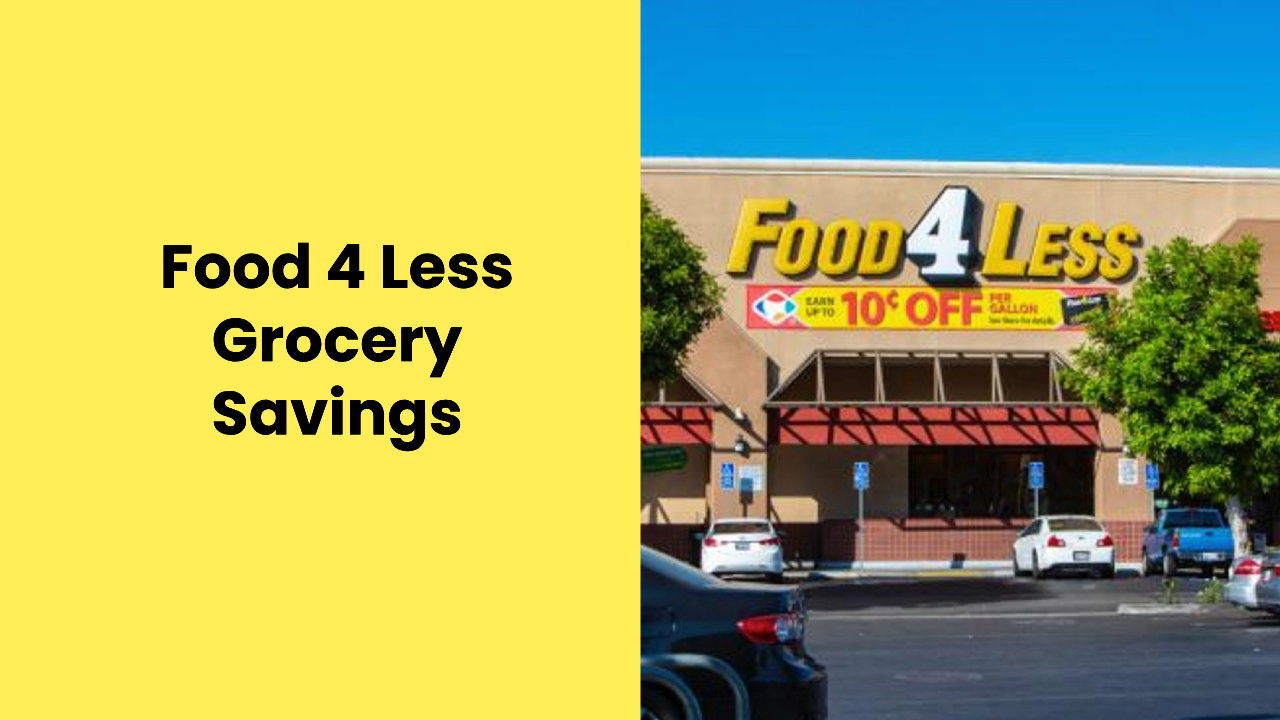
Food 4 Less Grocery Savings for Families
Food 4 Less grocery savings help many families reduce their weekly grocery bills while still buying the everyday products they need. As food prices continue to rise, shoppers are increasingly searching for ways to stretch their budgets without sacrificing quality. Stores that focus on efficiency and affordability make it easier for households to manage their grocery expenses.
Food 4 Less has built a reputation for offering practical shopping solutions that allow customers to spend less on essential items. By focusing on efficient store operations, consistent pricing, and practical shopping options, the store creates a reliable way for shoppers to save money on groceries. Understanding how these savings work can help families make smarter shopping decisions.
How Food 4 Less Grocery Savings Help Families
One of the main reasons shoppers benefit from Food 4 Less grocery savings is the store’s focus on efficient operations. Instead of investing heavily in decorative displays or unnecessary store features, the company prioritizes practical store management and cost efficiency.
This approach allows stores to keep operating costs lower. When operational costs stay under control, grocery prices can remain competitive for customers. As a result, shoppers are able to purchase essential food items at more affordable prices compared with many traditional supermarkets.
For families who shop regularly, these consistent savings can make a noticeable difference over time.
Warehouse-Style Layout and Efficient Shopping
Another factor that supports Food 4 Less grocery savings is the warehouse-style store layout used in many locations. Products are often displayed in shipping cases or bulk packaging rather than individually arranged displays.
This layout offers several benefits:
- Faster restocking of products
- Reduced labor costs
- Easier inventory management
- Quicker shopping experience for customers
Because employees can stock products more efficiently, the store operates with fewer unnecessary expenses. This efficiency helps keep grocery prices affordable for shoppers.
Customers also benefit from a straightforward store layout that makes it easier to locate everyday products quickly.
Affordable Prices on Everyday Grocery Items
Keeping essential food products affordable is one of the most important aspects of Food 4 Less grocery savings. Many shoppers visit the store for staple grocery items that households purchase regularly.
Common grocery staples include:
- Milk
- Bread
- Eggs
- Rice
- Pasta
- Fresh vegetables
These products are often the foundation of many family meals. When stores keep these basic items affordable, customers are able to manage their grocery budgets more effectively.
Consistent pricing also helps shoppers plan their weekly shopping trips without worrying about sudden price increases.
Bulk Buying Options for Budget-Conscious Shoppers
Buying products in larger quantities is another way shoppers can take advantage of grocery savings. Bulk purchases often reduce the price per item, which can help households lower their overall food costs.
Many families purchase larger quantities of commonly used products such as:
- Frozen foods
- Canned goods
- Pasta and grains
- Household cleaning supplies
Bulk buying can be especially helpful for larger households that cook frequently. Purchasing larger quantities allows shoppers to reduce the number of trips needed each month while keeping commonly used items stocked at home.
Over time, these purchasing habits contribute to consistent grocery savings.
Weekly Promotions and Special Discounts
In addition to everyday affordability, stores often provide weekly promotions that help customers reduce their grocery spending even further.
Weekly promotions may include discounts on popular items such as:
- Snacks
- Beverages
- Frozen foods
- Pantry staples
Customers who regularly check weekly deals can save additional money on products they already plan to buy. These promotions provide extra opportunities to lower grocery costs while maintaining flexibility in shopping choices.
Combining everyday value with occasional promotions creates a balanced approach to grocery savings.
Store Brand Products That Help Customers Save
Private label or store-brand products also play a major role in reducing grocery costs. These products are typically priced lower than national brands while still meeting quality standards.
Store-brand products often include:
- Dairy products
- Canned vegetables
- Frozen foods
- Pasta sauces
- Snack items
Many shoppers discover that these alternatives offer excellent value while still providing the taste and quality they expect. Over time, switching to store-brand options can significantly reduce overall grocery spending.
This is another reason why many households appreciate the value provided through Food 4 Less grocery savings.
Efficient Store Operations and Lower Prices
Efficient operations help grocery stores maintain consistent pricing. Simplified processes allow employees to focus on restocking products and helping customers rather than spending time on unnecessary tasks.
Some of the operational practices that support affordability include:
- Streamlined store layouts
- Efficient inventory management
- Self-checkout options for faster service
These improvements help stores operate smoothly while maintaining competitive prices. When operations run efficiently, customers benefit from better product availability and lower grocery costs.
Community Benefits of Affordable Groceries
Affordable grocery stores provide benefits beyond individual households. When food prices remain reasonable, families can allocate more of their income toward other important expenses.
Lower grocery costs help households manage budgets for:
- Housing
- Transportation
- Education
- Healthcare
Communities also benefit from grocery stores that provide local employment opportunities and accessible food options.
Affordable grocery shopping helps support financial stability for many households.
Tips to Maximize Your Grocery Savings
Shoppers can increase their grocery savings by following a few practical strategies when planning their shopping trips.
Plan Weekly Meals
Planning meals before shopping helps reduce unnecessary purchases and food waste.
Buy Non-Perishable Items in Bulk
Products with long shelf lives are ideal for bulk purchasing and can reduce the cost per unit.
Choose Store Brand Products
Store-brand options often provide the best value for everyday grocery items.
Check Weekly Promotions
Looking at weekly deals can help shoppers take advantage of temporary discounts on commonly purchased products.
Why Many Families Rely on Food 4 Less Grocery Savings
For many households, groceries represent one of the largest recurring monthly expenses. Food 4 Less grocery savings provide a practical way for families to manage these costs without sacrificing the quality or variety of products they buy.
By focusing on efficiency, affordable pricing, and practical shopping options, the store continues to provide reliable value for budget-conscious shoppers.
As grocery prices continue to fluctuate, shoppers often look for stores that help them maintain control over their food budgets. For many families, Food 4 Less grocery savings remain an important part of keeping everyday grocery shopping affordable.